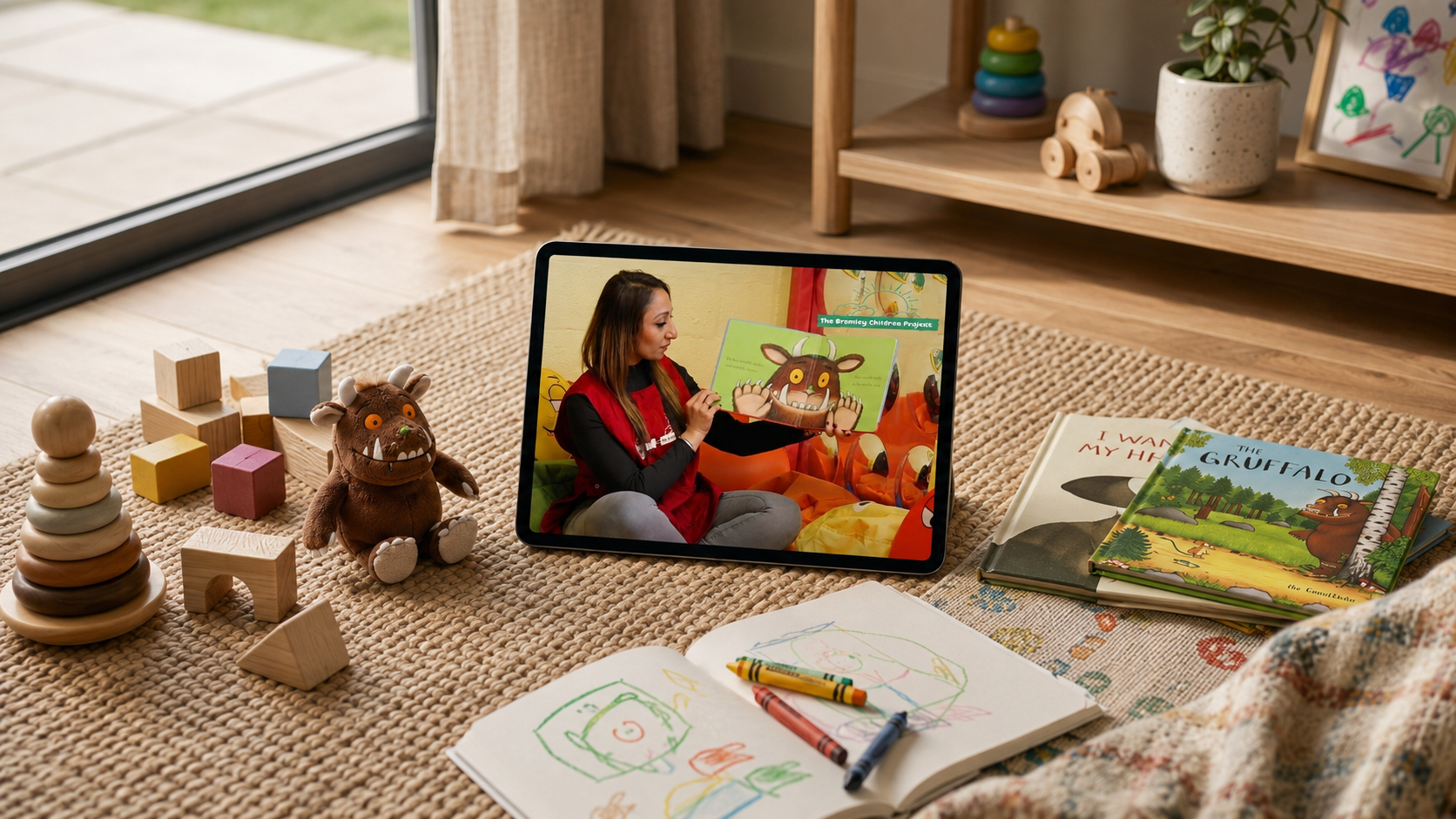
A digital content strategy built to keep a community organisation connected through Covid turning leadership scepticism into organisation-wide buy-in, and a near-zero online presence into 82k views.
When Covid hit, Bromley Children Project faced an immediate problem: how do you keep a community connected when the centres are closed? Their service users families, children, carers depended on face-to-face contact with the organisation's staff. That connection was the service.
The harder problem was internal. Leadership had real concerns about expanding online. There was hesitance, doubt, and resistance to putting the organisation's work on digital platforms. The brief wasn't just to make content it was to prove that digital could work for an organisation that didn't believe it could.
The central strategic decision was casting. Rather than producing polished, anonymous content, every video featured actual staff from the centres people the service users already knew, trusted, and would recognise when the centres reopened. This wasn't accidental. It was a deliberate device to maintain the human connection the organisation was built on, and to bridge the gap between digital and in-person.
Content was planned around what service users actually needed during Covid accessible, inclusive resources for children with different abilities, read-alouds, activities. The strategy was built to reach, not just to publish.
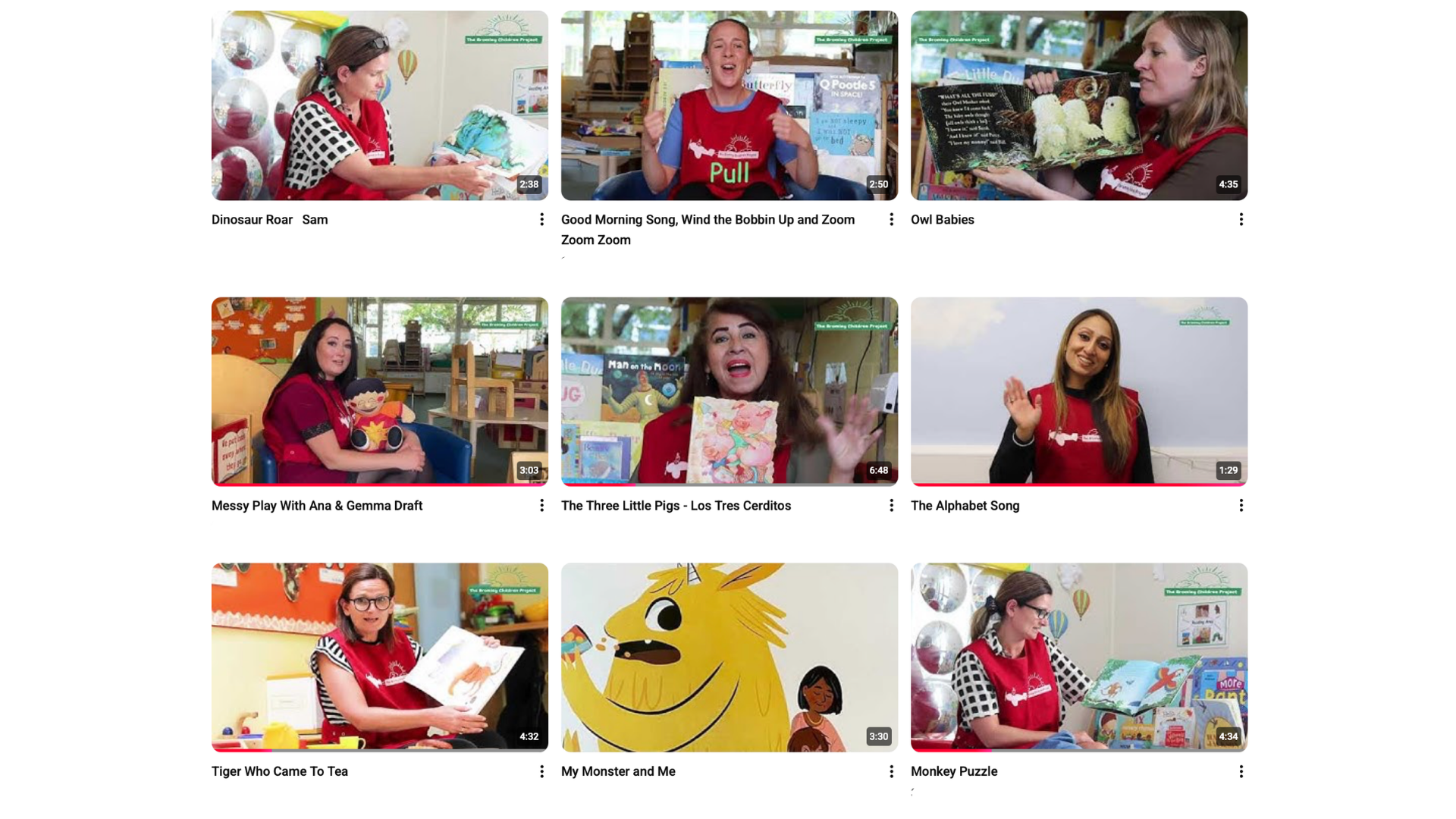
Videos were produced across inclusive children's content books, activities, and resources covering a range of abilities. The casting of familiar staff meant service users could watch someone they already had a relationship with, keeping the community feeling alive even when the doors were closed.
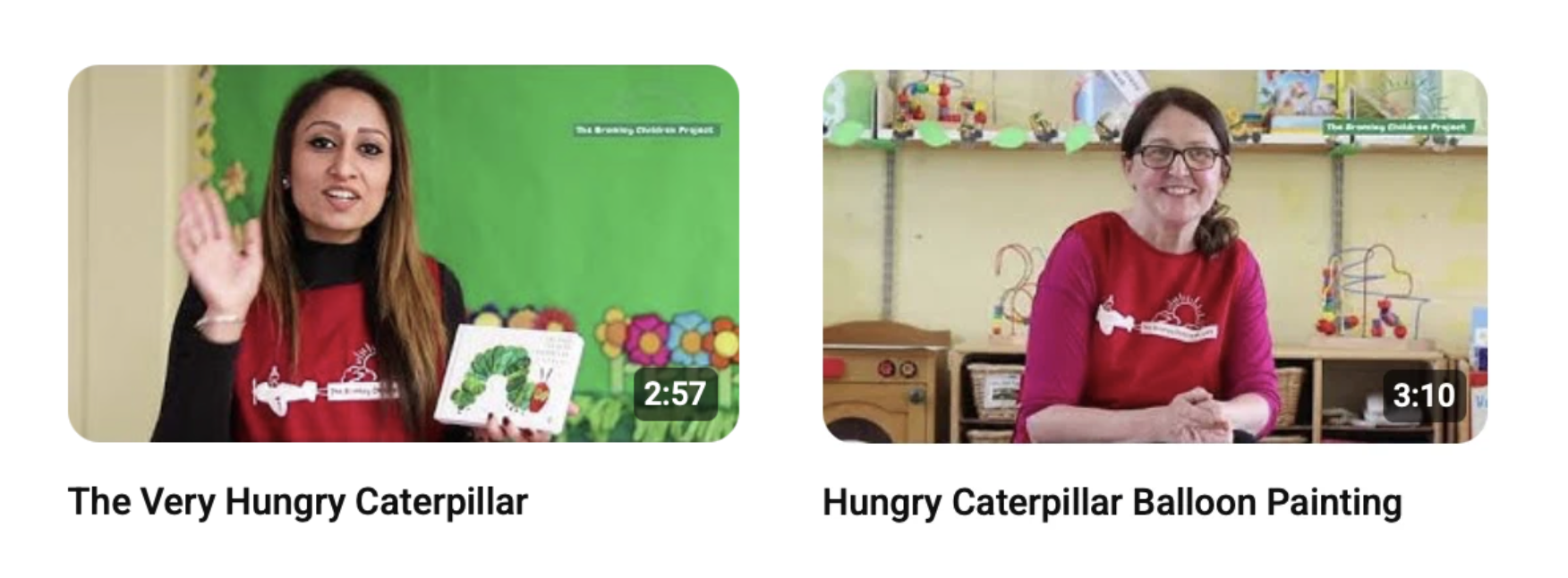
The numbers are one part of the story. The more significant outcome was organisational: leadership concerns about digital were reversed entirely by the results. The project didn't just produce content it changed the organisation's relationship with digital, and the effect extended far beyond the original brief.